Rethinking How We Deliver Instruction, Support Educators, and Expand Opportunity
Register for the WebinarWhat would special education look like if we designed it today, informed by what we know about learning, workforce needs, technology, and student outcomes?
More than 50 years after the passage of the IDEA, special education has expanded educational opportunities and established essential protections for students with disabilities. Yet many of the structures governing how we identify needs, deliver services, support educators, and measure success remain fragmented, administratively demanding, and focused on compliance rather than long-term outcomes.
Drawing on her experiences as a student with a disability, special education teacher, state director of special education, and former U.S. Assistant Secretary for Special Education and Rehabilitative Services, Glenna Wright-Gallo will challenge participants to reconsider how special education systems should evolve over the next decade.
The presentation will explore opportunities to reimagine the IEP as a dynamic instructional tool, redesign educator roles and working conditions, integrate assistive technology into everyday learning, strengthen shared responsibility across general and special education, and rethink accountability systems to prioritize meaningful student progress.
Participants will examine how schools and districts can use data, technology, collaboration, and existing flexibility to move beyond fragmented programs and reactive decision-making toward more responsive, sustainable systems that support educators and expand opportunities for students with disabilities.
Participant Learning Outcomes
Participants will:
- Examine how current special education structures, compliance-focused practices, and fragmented programs can unintentionally limit student learning, educator effectiveness, and educational opportunity.
- Envision how IEPs, instructional practices, workforce models, and technology could evolve to support individualized learning, access to grade-level standards, and meaningful long-term progress.
- Identify opportunities to integrate assistive technology, accessible instructional materials, and responsible AI to improve educator capacity, student independence, and instructional effectiveness.
- Apply a systems-design perspective to identify changes that strengthen collaboration, improve accountability, and support more responsive special education systems.
Meet the Speakers

Glenna Wright-Gallo
Vice President, Strategic Research and Policy, Everway; Former U.S. Assistant Secretary of Education, Office of Special Education and Rehabilitative Services
Glenna Wright-Gallo is a nationally recognized leader in special education, disability policy, inclusive education, and systems transformation. With more than 25 years of leadership across federal, state, and local education systems, she brings a unique perspective on the future of special education, informed by policy, practice, technology, and lived experience.
Wright-Gallo most recently served as the U.S. Assistant Secretary of Education for the Office of Special Education and Rehabilitative Services (OSERS), where she oversaw implementation of the Individuals with Disabilities Education Act (IDEA) and the Rehabilitation Act, including more than $22 billion in annual federal investments. Previously, she served as Utah's State Director of Special Education and Washington State's Assistant Superintendent of Special Education, leading efforts to strengthen inclusive instruction, improve student outcomes, expand access to assistive technology, and better connect education with postsecondary and employment opportunities.
Now serving as Vice President of Strategic Research and Policy at Everway, Wright-Gallo focuses on how research, policy, artificial intelligence, and accessible technology can help education leaders rethink how special education systems are designed and delivered. Her work challenges traditional approaches that prioritize compliance and fragmented services, encouraging leaders to build more connected, responsive systems that support educators, reduce administrative burden, and improve long-term outcomes for students with disabilities.
As a person with a disability and a former special education teacher, Wright-Gallo brings both personal and professional perspectives to the opportunities and challenges facing education. She is a frequent national speaker on the future of special education, leadership, inclusive practices, AI, assistive technology, and the policy and systems changes needed to ensure students with disabilities have meaningful access to challenging instruction, independence, and opportunities beyond school.
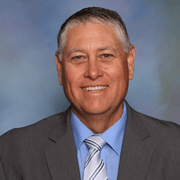
Kindel Mason
Special Education Advisor at BlazerWorks
Kindel Mason has more than three decades of experience in special education as a teacher, consultant, and administrator. He spent over 18 years as a Director of Support Services and previously served as a Special Education Consultant with the Idaho State Department of Education. Throughout his career, Kindel has championed inclusive practices, effective leadership, and high-quality services for students.
A longtime leader within the Council of Administrators of Special Education (CASE), Kindel has served as National CASE President, as well as in leadership roles with the Council for Exceptional Children and the Idaho Association of Special Education Administrators. He has also been recognized as Idaho’s Outstanding Special Education Administrator and Idaho State University’s Outstanding Educator.
How It Works
- 1
Register for our webinar using the 'Register for the Webinar' button.
- 2
Make note of the email address you used to register.
- 3
Log into the webinar using the same registration information and access the live webinar.